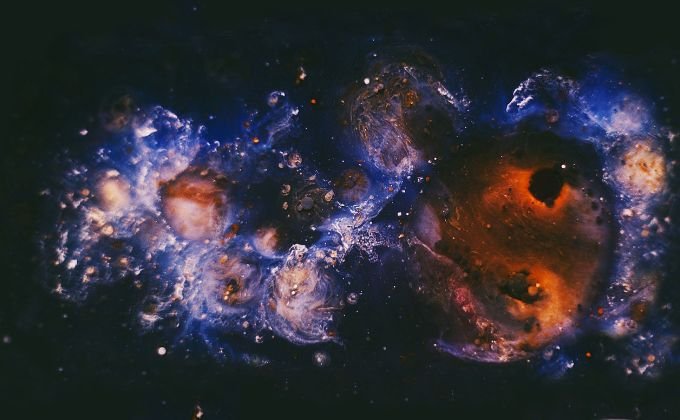

When we look into the deep night sky, we are not just seeing individual stars. We are glimpsing entire galaxies—vast collections of stars, planets, gas, and dust held together by gravity. Galaxies are the true cities of the universe, each containing billions or even trillions of stars. Understanding galaxies helps us see how the universe is organized and how cosmic structures evolve over time. This article explains galaxies in a clear and human way, from familiar spiral systems to distant star cities far beyond our reach.
What Is a Galaxy?
A galaxy is a massive cosmic system bound together by gravity. It contains stars, stellar remnants, clouds of gas, dust, and large amounts of dark matter. While stars are the building blocks, dark matter provides much of the gravitational glue that keeps galaxies stable.
Galaxies vary widely in size and appearance. Some are relatively small with a few million stars, while others are enormous, hosting trillions. Despite their differences, all galaxies play a role in shaping the structure of the universe.
Spiral Galaxies: Elegant Cosmic Systems
Spiral galaxies are among the most visually striking objects in the universe. They have flat, rotating disks with graceful arms spiraling outward from a bright central region. These arms are rich in gas and dust, making them active sites of star formation.
Our own Milky Way is a spiral galaxy. Inside its arms, new stars are constantly being born, lighting up the galaxy and creating a dynamic environment. Spiral galaxies often appear bright and colorful because they contain a mix of young, hot stars and older stellar populations.
Elliptical and Irregular Galaxies
Not all galaxies have spiral shapes. Elliptical galaxies are smoother and rounder, ranging from nearly spherical to elongated forms. They mostly contain older stars and have little gas left for forming new ones. This gives them a more uniform and often reddish appearance.
Irregular galaxies lack a defined shape. They are often smaller and shaped by gravitational interactions or past collisions with other galaxies. These galaxies show how dynamic and sometimes chaotic cosmic evolution can be.
The Structure Inside Galaxies
Although galaxies look like glowing patches of light from a distance, they have complex internal structures. Most galaxies contain a central bulge filled with older stars. Surrounding this bulge may be a disk where stars orbit in organized paths.
Beyond the visible regions lies a halo, an extended area containing sparse stars and large amounts of dark matter. This halo influences how the galaxy rotates and how it interacts with neighboring galaxies. Together, these components form a balanced yet ever-changing system.
Galaxies as Star Cities
Calling galaxies “star cities” is more than a metaphor. Just like cities have neighborhoods, galaxies have regions with different characteristics. Some areas are bustling with star formation, while others are quiet and aging.
In these star cities, stars are born, live out their lives, and eventually die. Their energy and material shape the surrounding environment, influencing future generations of stars. Over time, galaxies grow and change, much like cities expanding and evolving.
Galactic Collisions and Cosmic Change
Galaxies do not exist in isolation. They often interact with each other through gravity. When galaxies pass close together or collide, their shapes can change dramatically. These encounters can trigger intense periods of star formation or even merge two galaxies into one.
Such interactions are common throughout the universe. In fact, the Milky Way is expected to merge with a neighboring galaxy in the distant future. These cosmic events play a major role in shaping galactic evolution.
Looking Back in Time Through Galaxies
One of the most fascinating aspects of galaxies is that they allow us to look back in time. Because light travels at a finite speed, observing distant galaxies means seeing them as they were billions of years ago.
Astronomers use this cosmic time travel to study how galaxies formed and evolved after the universe began. By comparing nearby galaxies with distant ones, scientists can piece together the story of cosmic growth and change.
Why Galaxies Matter to Us
Galaxies help answer some of humanity’s biggest questions. How did the universe form? How did structure emerge from chaos? Where do stars and planets come from?
Understanding galaxies also provides perspective. Earth is part of a small planetary system within one galaxy among billions. This realization inspires both humility and wonder, reminding us of our connection to the larger universe.
Conclusion: The Living Cities of the Universe
Galaxies are more than collections of stars. They are living, evolving systems that shape the universe on the largest scales. From elegant spiral systems to distant star cities, galaxies reveal the beauty and complexity of cosmic organization.
By studying galaxies, we learn not only about distant worlds but also about our own origins. These star cities continue to evolve, collide, and transform, telling the ongoing story of the universe and our place within it.